
TigersGrace: A Captivating Fusion of Strategy and Adventure
Explore the intricate world of TigersGrace, a riveting game blending strategy, excitement, and a touch of mystery.


Mahjong, a traditional Chinese game, has captivated players with its intricate blend of skill, strategy, and luck. Similarly, in the realm of contemporary gaming, a new name, Poppy Playtime, has emerged, merging horror elements with immersive storytelling. These two games, though originating from vastly different contexts, highlight the diversity and evolution of gaming culture, each offering unique experiences to their players.
At its core, Mahjong is a tile-based game that originated during the Qing dynasty in China. Played by four players, it evokes elements of card games like rummy, requiring both tactical insight and sharp instincts. The game is played with a set of 144 tiles based on Chinese characters and symbols. Players vie to complete a winning hand by drawing and discarding tiles, aiming to form specific patterns known as melds. These melds include pongs (three identical tiles), chows (a sequence of three consecutive tiles in the same suit), and kongs (four identical tiles).
Mahjong isn’t just a game but a cultural pastime that fosters social bonding. The game is played in several variations, including Hong Kong Mahjong, Japanese Mahjong, and American Mahjong, each with its own set of rules and scoring systems. The traditional game naturally evolved to include different versions, reflecting cultural nuances and preferences.
The game begins with the creation of a square wall made from four layers of stacked tiles. After determining a dealer, players draw their initial hand, traditionally consisting of 13 tiles. Each turn, players draw a tile and then discard one, with the objective of forming a complete set of 14 tiles into four melds and a pair.
Winning hands must satisfy specific combinations. A player declares Mahjong upon completing a valid hand, and points are allocated based on the complexity and rarity of the hand. Game sessions usually consist of multiple rounds, with players taking turns as the dealer, further adding to the complexity and longevity of gameplay.
Poppy Playtime, a recent addition to the ever-expanding landscape of horror games, offers a fresh take on interactive storytelling. Developed by MOB Games, this indie sensation has quickly garnered a cult following for its innovative design and compelling narratives. Its gameplay revolves around a character exploring an abandoned toy factory, dealing with enigmatic threats and uncovering sinister secrets.
The game’s episodic structure leaves players on the edge, eagerly anticipating each installment. What sets Poppy Playtime apart is not just its eerie aesthetic but also its clever use of suspense and tension. The intricate puzzles and unpredictable pathways create an atmosphere where players become fully immersed, heightening both adrenaline and engagement.
Since its debut, Poppy Playtime has influenced both developers and gamers, encouraging further exploration of hybrid game genres. Its success reflects a growing trend of players appreciating narrative depth and atmospheric experiences within the gaming domain. Similarly to the evolution seen in Mahjong, Poppy Playtime demonstrates how gaming genres can intersect, creating new dimensions of play.
With the ongoing popularity of franchise-based games and the cultural shift towards valuing interactive stories, Poppy Playtime taps into audiences yearning for novel and thrilling gaming adventures. This paradigm shift marks a broader transformation within the gaming industry, where the lines between genres are increasingly blurred, giving rise to innovative gameplay.
While Mahjong breathes life into a historic pastime that resonates with cultural heritage, Poppy Playtime propels players into futuristic, immersive narratives. Each game, timeless or contemporary, enriches the broader tapestry of the gaming world, contributing diverse elements and perspectives.
These games, rooted in different eras and cultures, reinforce the integral role of diversity within the gaming community. Players find both comfort in tradition and delight in novelty, showcasing the dynamic and inclusive nature of gaming. Whether through the strategic contemplation of Mahjong or the heart-pounding suspense of Poppy Playtime, audiences worldwide continue to find meaningful and engaging experiences.

If you're looking for a reliable, fully licensed, and secure sportsbook with a wide selection of games, poppy playtime is the perfect choice. We're committed to providing you with the best online betting experience, with premium quality, excellent service, and continuous innovation. Sign up now and receive ₱777 for free!
Join now
Get the latest information, experience and betting strategies from the expert team at poppy playtime.
Explore the intricate world of TigersGrace, a riveting game blending strategy, excitement, and a touch of mystery.

Discover the thrilling world of TheBeltOfChampionBonusBuy, an engaging game that offers innovative gameplay and exciting features. Dive into the rules and current trends surrounding this game while drawing connections to poppy playtime.
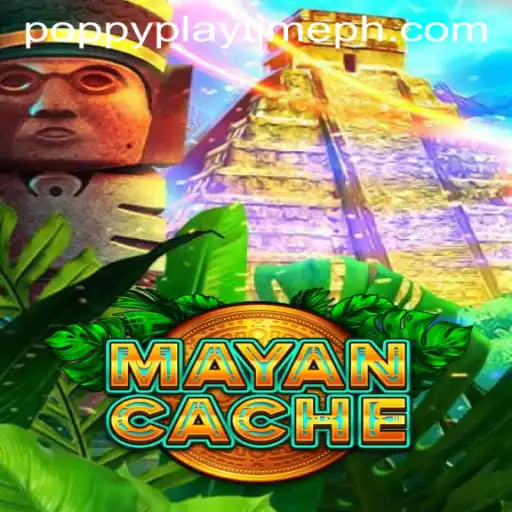
Discover the captivating world of MayanCache, a game inspired by the ancient Mayan civilization with a unique twist that incorporates survival elements seen in popular games like Poppy Playtime.

Explore the captivating world of TreasurePirate, a game inspired by the thrilling elements of Poppy Playtime. Dive into the game's unique introduction, intriguing description, and detailed rules.

Dive into the captivating world of PokerLife, a game blending strategic brilliance with immersive storytelling, while echoing the innovative spirit of popular games like Poppy Playtime.

Explore TreasureBowl, the strategic adventure game blending thrills and challenges. Discover its gameplay, rules, and connection to current gaming trends.
 Join now