
Unveiling LuckyBall: A New Era Inspired by Poppy Playtime
Explore the captivating world of LuckyBall, a game blending excitement and strategy with a dash of nostalgia from Poppy Playtime.


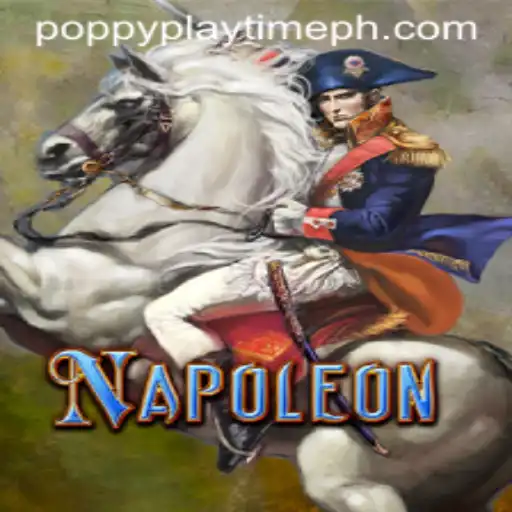
In the ever-expansive universe of card games, few carry the historical impact and enduring charm of Napoleon. This strategy-based card game, named after the infamous French leader Napoleon Bonaparte, provides players with a blend of strategic depth and competitive engagement. Unlike the digital dominion of games such as Poppy Playtime, Napoleon roots itself squarely in tradition, offering players a tactile and face-to-face gaming experience.
The card game Napoleon has a rich and storied history. Emerging in the 19th century United Kingdom, its creation was influenced by the fascination with Napoleonic wars and the enigma surrounding Napoleon Bonaparte himself. As a trick-taking game, Napoleon bore similarities to other card games of the era but distinguished itself through its distinct bidding mechanism and role-based gameplay. This historical context provides players with an enriching backdrop as they step into the strategic boots reminiscent of historical generals.
The game Napoleon is typically played with a standard 52-card deck and accommodates 3 to 7 players. The primary aim is not only to win tricks but to predict accurately how many will be won during each round. The game begins with each player receiving a hand of cards. The player who succeeds in winning the bid declares the number of tricks they aim to win, interplay reminiscent of modern bluffing dynamics seen in games like Poppy Playtime. As the round progresses, players strive to fulfill their bids or strategically deny others, culminating in a game of wits and tactical prowess.
Each round initiates with a round of bidding. Players take turns making bids, which range from one trick to several, with the highest bidder gaining the prestigious role of Napoleon. The competitive bidding phase asks players to assess both their hand's value and the potential playstyles of their opponents.
Assignment of RolesBeyond the central role of Napoleon, another crucial player assumes the role of the ally, known as the ‘General.' While details of the General are kept secret from other players until their cards come into play, this clandestine alliance mirrors the plotting gamesmanship found in digital titles like Poppy Playtime.
Playing the GameThe gameplay unfolds in rounds, where players place a card from their hand face-up in turn, following the suit led by Napoleon. The winner of a round trick is determined by the highest valued card of the led suit, or by trump cards when applicable. Napoleon's ability to call a trump suit adds a strategic layer similar to power-up mechanics familiar to fans of Poppy Playtime.
As gaming landscapes evolve, juxtaposing traditional card games like Napoleon with modern gaming phenomena such as Poppy Playtime highlights an intriguing dichotomy. In an era dominated by hyper-immersive digital realms, Napoleon remains a beacon for players yearning for intellectual engagement defined by social interaction and tactile engagement. This contrast underscores the timeless appeal of strategic card games amidst a growing preference for digital escapades.
While Poppy Playtime captures audiences with its suspenseful horror-filled landscape, Napoleon thrives on its cognitive demand and strategic allure, fostering an environment ripe for creativity and tactical deliberation. It is within this convergence of old and new that games like Napoleon continue to find a niche, appealing to a diverse set of players from classic enthusiasts to curious newcomers eager to explore history intertwined with play.
The venerable card game Napoleon stands as a testament to the enduring power of strategy-based gameplay. Representing a bridge between the physical presence of traditional games and the ethereal allure of digital ones, it presents a thought-provoking experience for players across generations. Whether through its engaging bidding system or the strategic embrace of historical motifs, Napoleon endures, reminding us of the past even as we charge forth into the future of gaming.
If you're looking for a reliable, fully licensed, and secure sportsbook with a wide selection of games, poppy playtime is the perfect choice. We're committed to providing you with the best online betting experience, with premium quality, excellent service, and continuous innovation. Sign up now and receive ₱777 for free!
Join now
Get the latest information, experience and betting strategies from the expert team at poppy playtime.
Explore the captivating world of LuckyBall, a game blending excitement and strategy with a dash of nostalgia from Poppy Playtime.

Dive into the captivating world of WildShamrock, the game that intertwines suspense with mythical exploration. Discover enthralling game mechanics, a rich narrative, and a nod to popular culture phenomena like Poppy Playtime.

Explore the wonder of PharaohTreasure, a captivating game that intertwines intrigue and strategy within an ancient Egyptian setting. Delve into its rules, challenges, and connections with modern gaming trends.

Dive into the exciting world of FortunePanda, a game that intertwines luck and strategy with the intriguing elements of Poppy Playtime.
Dive into the vibrant realm of CaishenWins, a game that combines the thrill of rewards and cultural richness, in the backdrop of current gaming phenomenons like Poppy Playtime.

Discover the captivating world of Pokerstars, its rules, and its intertwining presence with the viral sensation Poppy Playtime.
 Join now